
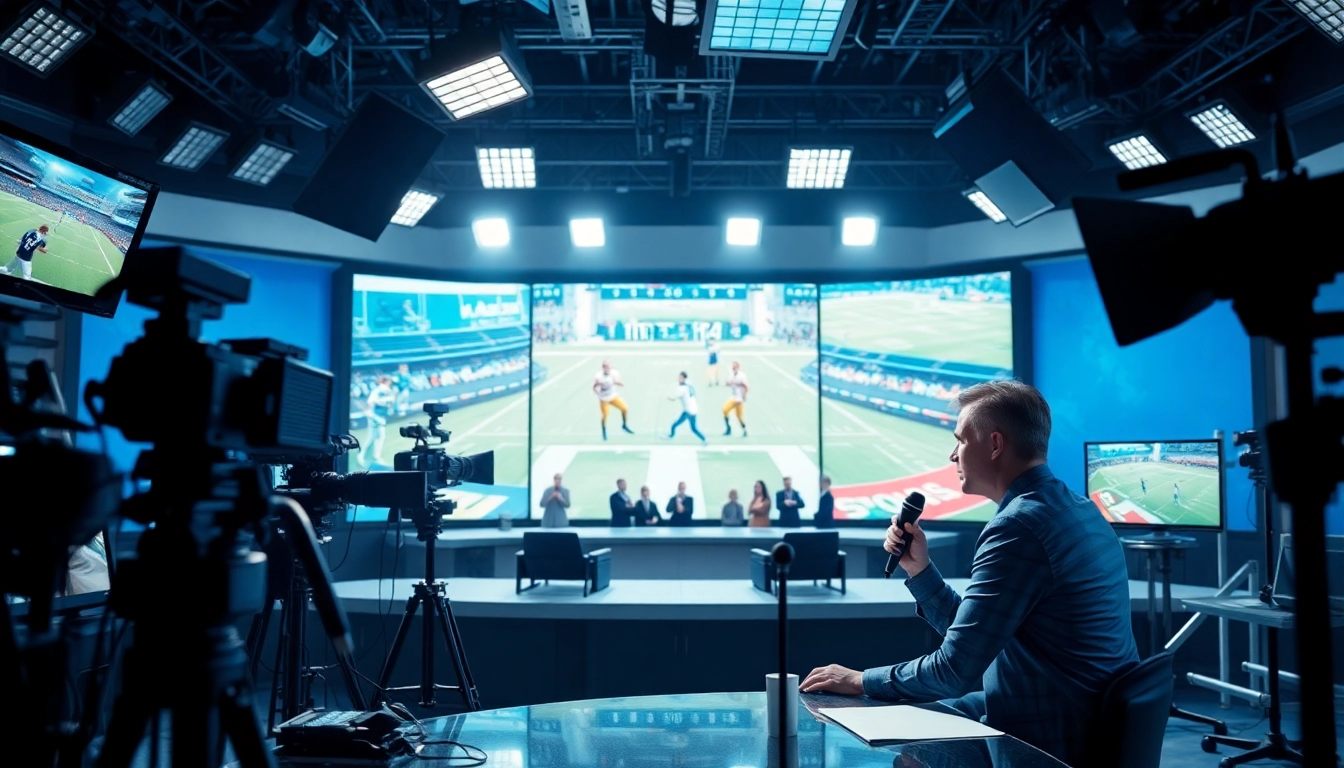
The Fundamentals of Sports Broadcasting
Understanding Sports Broadcasting
Sports broadcasting is a dynamic field that encompasses the transmission of live sporting events and related content via various channels. This intriguing industry not only entertains millions but also conveys critical information to fans and stakeholders. As athletes showcase their talents, the broadcasting of these events provides an avenue for storytelling and engagement. Understanding the nuances of this sector is crucial for anyone looking to carve a niche in it.
These broadcasts can be found across many platforms, including traditional television, radio, and increasingly popular digital services. As the landscape evolves, consumer preferences shift, prompting innovations and adaptations designed to enhance viewer experience. Notably, Sports Broadcasting connects sports enthusiasts with their favorite teams, serving as a bridge between the field and the audience.
Core Elements of Sports Broadcasting
A successful sports broadcast relies on several core elements that work harmoniously to create an engaging experience. Key components include:
- Commentary: A compelling narrative driven by knowledgeable commentators can make even the most mundane moments thrilling.
- Analysis: Expert analysts provide viewers with insights into plays, strategies, and player performances, enhancing understanding.
- Production Quality: High-definition video, crisp audio, and effective camera work are essential to immerse viewers in the action.
- Advertising: Strategic placement of ads can provide funding and support for broadcasts while giving brands a platform to reach engaged audiences.
The Evolution of Sports Broadcasting
The evolution of sports broadcasting has been remarkable over the years, transitioning from simple radio broadcasts to the complex, multi-channel networks we see today. Innovations like color television, digital streaming, and social media integration have drastically changed how sports are consumed. The Internet has also democratized content creation, allowing anyone with a camera to broadcast their viewpoint on sports events.
This evolution not only impacts how broadcasts are produced but also influences viewer engagement and participation. Fans can now connect with their favorite sports in ways previously unimaginable, such as live-streaming content on social media platforms or interacting with broadcasters during events.
Creating Compelling Content for Sports Broadcasting
Storytelling Techniques in Sports Broadcasting
At its core, great sports broadcasting marries storytelling with live events. This dual approach captivates audiences by weaving narratives that resonate on a personal level. Successful broadcasts often highlight individual player stories, rivalries, or dramatic moments, creating emotional connections with viewers.
For instance, behind-the-scenes coverage showing athletes' lives beyond the field can draw viewers in. Incorporating storytelling elements like suspense, triumph, and adversity not only enriches content but also invites audiences to invest in the athletes' journeys.
Leveraging Statistics and Data Analysis
In today’s data-driven world, statistics are a crucial tool for enhancing sports broadcasts. Leveraging data analysis not only provides insights into player performance but also aids in crafting competitive narratives. For example, advanced metrics can be highlighted during a broadcast to quantify a player's impact or performance trends, allowing fans to appreciate the complexity of the game.
Furthermore, the integration of visually appealing data graphics can engage the audience, making complex information digestible. This analytical approach can also inform viewer discussions, deepening their understanding of the sport.
Incorporating Viewer Interaction
Engaging viewers during broadcasts is vital for enhancing the overall experience. Incorporating interactive elements such as live polling, social media integration, and real-time audience feedback can foster a sense of community among viewers. For example, broadcasters can encourage viewers to share opinions on commentators’ analysis, creating a dynamic dialogue that enriches the viewing experience.
This approach not only cultivates a loyal fan base but also encourages user-generated content, as viewers feel more connected to the event and its narrative. Enhancing this interaction can lead to increased viewership and ultimately drive revenue through increased advertising opportunities.
Choosing the Right Platforms for Sports Broadcasting
Television vs. Digital Broadcasting
As media consumption habits evolve, the choice between traditional television and digital platforms becomes critical for broadcasters. Television remains a reliable medium with established viewership, while digital streaming services offer flexibility and accessibility that cater to younger, tech-savvy audiences.
Broadcasters must weigh the advantages of broad audience reach and relationship establishment offered by television against the interactive and on-demand capabilities of digital platforms. Finding an optimal balance between the two can maximize viewer engagement and experiences.
Social Media and Streaming Services
Social media platforms and streaming services have revolutionized sports broadcasting. These channels offer additional exposure, enabling fan engagement that traditional mediums cannot match. For instance, highlights can be shared instantly on platforms like Twitter and Instagram, attracting immediate viewer feedback and discussion.
Moreover, live streaming on platforms such as Twitch or YouTube allows niche sports to reach dedicated audiences without being confined to conventional broadcasting limitations. This expansion of opportunities reinforces the importance of a comprehensive strategy that encompasses various platforms.
Evaluating Audience Reach and Engagement
Understanding audience reach and engagement is pivotal in optimizing sports broadcasting strategies. Metrics such as viewership ratings, social media engagement, and audience demographics can provide insights into audience preferences and behaviors.
Data analytics tools can help broadcasters analyze these metrics to fine-tune content delivery, format, and timing based on viewer interests. This data-driven approach can significantly enhance the quality of broadcasts, fostering loyalty and driving higher viewership numbers.
Technological Innovations in Sports Broadcasting
Understanding Broadcast Equipment
Modern sports broadcasting relies heavily on advanced technologies and high-tech equipment to deliver seamless coverage. Camera systems, drones, and microphones are essential tools that facilitate high-quality transmission, providing diverse perspectives and enhancing viewer engagement.
Understanding and investing in the right broadcast equipment not only improves content quality but also ensures that broadcasters can handle various challenges that occur during live events, such as camera angles and audio clarity.
The Role of Augmented Reality and VR
Augmented Reality (AR) and Virtual Reality (VR) are increasingly becoming integral parts of sports broadcasting. These technologies can enhance viewer experiences by providing immersive content that transports fans closer to the action. AR graphics can showcase player stats in real-time, while VR can offer a first-person perspective of the action.
By incorporating AR and VR, broadcasters can revolutionize how sports events are experienced, offering fans an unparalleled level of engagement and interaction with the content.
Analytics Tools for Broadcasters
Data analytics is critical for sports broadcasters, allowing them to assess performance, audience engagement, and operational efficiency. Analytics tools can track metrics from viewership trends to social media interactions and advertising effectiveness.
Leveraging these analytical insights enables broadcasters to make informed decisions, optimize production schedules, and tailor content to meet audience desires. This data-centric approach ensures that broadcasters remain relevant in a highly competitive landscape.
Measuring Success in Sports Broadcasting
Key Performance Indicators in Broadcasting
Measuring success in sports broadcasting relies on specific Key Performance Indicators (KPIs) that gauge both quantitative and qualitative aspects. Common KPIs include viewer ratings, audience retention rates, and social media engagement metrics. By understanding these indicators, broadcasters can assess their strategy's effectiveness and adapt as needed.
Additionally, establishing clear KPIs facilitates targeted improvements and can inform content strategies that align better with audience expectations.
Audience Insights and Feedback
Listening to audience insights and feedback is instrumental in refining sports broadcasts. Viewer surveys, social media comments, and analytical tools can provide valuable information on audience preferences, allowing broadcasters to modify content accordingly.
Fostering an open channel for feedback creates a loyal audience that feels heard and valued, ensuring that future broadcasts resonate more closely with viewer expectations.
Future Trends in Sports Broadcasting Analysis
As the landscape of sports broadcasting continues to evolve, several trends are emerging that will shape its future. Personalization, driven by AI and machine learning, promises to deliver customized viewing experiences tailored to individual preferences. Moreover, the rise of mobile broadcasting allows for more spontaneous and immediate content delivery.
Additionally, innovations in blockchain technology can provide transparency and security in advertising and rights management, enhancing overall trust in broadcasting partnerships. Understanding these trends will prepare broadcasters to navigate the changing environment effectively.
FAQs
1. What is the role of data analysis in sports broadcasting?
Data analysis enhances sports broadcasting by providing insights into player and team performance, allowing commentators to enrich the narrative and engage viewers with relevant statistics.
2. How has technology changed sports broadcasting?
Technology has introduced high-definition visuals, interactive elements, and real-time statistics, greatly enhancing viewer engagement and experience during live sports events.
3. Why is audience interaction important in sports broadcasting?
Audience interaction fosters a sense of community, engages viewers directly, and encourages participation, ultimately leading to higher retention rates and loyalty.
4. How can social media be utilized in sports broadcasting?
Social media serves as a platform for sharing highlights, engaging fans in real-time, and broadening reach by facilitating interactive discussions surrounding events.
5. What are some key performance indicators in sports broadcasting?
Key performance indicators include viewer ratings, audience retention, social media engagement, and advertising effectiveness, which help gauge broadcast success.