
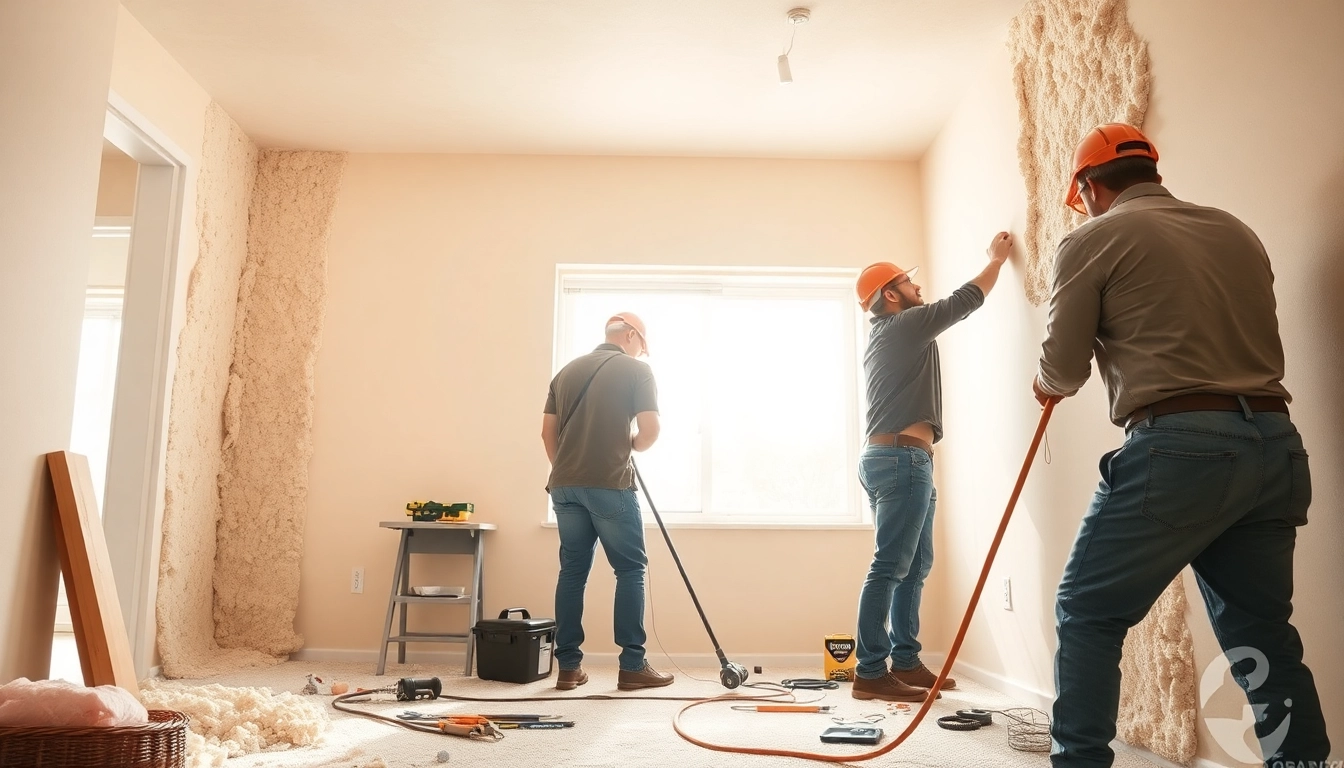
Understanding Professional Spray Foam Removal
Definition and Importance of Spray Foam Removal
Spray foam insulation offers exceptional thermal insulation and energy efficiency, making it a popular choice for homeowners. However, circumstances may arise where this insulation needs to be addressed or removed entirely. professional spray foam removal is the expert process of safely and effectively removing spray foam insulation when it has outlived its usefulness or become problematic. Proper removal is essential to maintain structural integrity, prevent health hazards, and ensure the efficiency of your home or building’s insulation system.
Common Reasons for Professional Spray Foam Removal
There are several scenarios in which spray foam insulation may need to be removed:
- Moisture Trapping: Poorly installed foam can trap moisture, leading to mold growth and structural damage.
- Contamination: If the spray foam is contaminated with chemicals or pests, removal is necessary to maintain safety.
- Home Renovation: Renovations that require changes in insulation may necessitate the removal of existing spray foam.
- Curbed Efficiency: Deterioration or improper installation can significantly reduce the insulation’s efficiency.
- Structural Repairs: Repairs to structural elements may require a complete removal of spray foam insulation.
Tools and Techniques Used in the Removal Process
Professional spray foam removal involves specialized tools and techniques to ensure effectiveness and safety:
- Heating Tools: Heated blades and hot air guns can soften spray foam for easier removal.
- Mechanical Tools: Scrapers, chisels, and saws are vital for cutting and scraping the foam away from surfaces.
- Protective Gear: Professionals use appropriate safety gear, including gloves, goggles, and masks, to protect against dust and chemical exposure.
- Vacuum Systems: Industrial vacuums help collect debris and minimize airborne particles during removal.
Preparation for Spray Foam Removal
Assessing the Area and Safety Measures
Before initiating spray foam removal, an assessment of the area is crucial. This involves determining the extent of the foam application, identifying potential hazards, and ensuring that the environment is safe for both workers and inhabitants.
Gathering Necessary Equipment and Supplies
Careful preparation involves gathering all necessary tools and supplies. This should include protective gear, removal tools, disposal bags, and cleaning supplies to manage post-removal debris.
Understanding the Removal Process Steps
Familiarizing oneself with the steps in the removal process is essential. This includes planning the approach, outlining safety protocols, and determining disposal methods for waste materials.
Executing the Removal Process
Step-by-Step Guide to Removing Spray Foam
Here is a structured approach to effectively removing spray foam:
- Preparation: Ensure that the area is clear and accessible, wearing all necessary safety equipment.
- Assessment: Inspect the foam and surrounding areas for potential hazards like moisture or damage.
- Heating: Use heating tools to soften the spray foam, making it easier to scrap away.
- Scraping: Carefully scrape the foam using mechanical tools, taking care not to damage the underlying surface.
- Collect Debris: Use vacuum systems to collect debris and minimize dust dispersion in the environment.
- Clean Up: Dispose of foam remnants properly and clean the area thoroughly.
Handling Specific Challenges During Removal
During the removal process, various challenges may arise, including tough foam adhesion, hidden voids, or structural damage. Employing techniques like focused heating can aid in overcoming these obstacles, while ensuring careful extraction to prevent further damage.
Best Practices for Effective Foam Extraction
Adopting best practices can improve the efficiency and safety of the removal process:
- Work Slowly: Rushing can lead to mistakes and damage. Take your time to ensure a thorough job.
- Regularly Clean: Keep the area tidied to minimize slip hazards and exposure to airborne particles.
- Document the Process: Keeping a record of the removal can be helpful for any future repairs or renovations.
Aftermath of Foam Removal
Assessing Surface Damage Post-Removal
Once the spray foam is removed, assessing the condition of the surface underneath is critical. This includes checking for any moisture damage or structural impairments that may have occurred as a result of the insulation.
Recommended Repair and Restoration Methods
Depending on the condition of the surface, several repair methods may be required:
- Dents and Gouges: These may need to be filled and sanded down.
- Moisture Treatment: If moisture damage is present, addressing it promptly is essential to prevent mold growth.
- New Insulation: Installing new insulation—or exploring alternative options—should be considered to enhance energy efficiency.
How to Prevent Future Spray Foam Issues
To circumvent future problems with spray foam, ensure correct installation practices are followed next time. Engaging a professional ensures that insulation meets all building codes, preventing complications down the line.
Frequently Asked Questions about Professional Spray Foam Removal
What is professional spray foam removal?
Professional spray foam removal is the process of safely removing spray foam insulation from structures using specialized tools and techniques while ensuring safety and effectiveness.
How long does the spray foam removal process take?
The duration of the removal process can vary depending on the foam’s extent and installation. On average, it can take several hours to a couple of days to complete professionally.
Are there risks associated with removing spray foam?
Yes, risks include exposure to dust and chemicals, potential structural damage, and health hazards related to mold or contaminants. Proper protective gear reduces these risks.
How much does professional spray foam removal cost?
The cost of professional spray foam removal varies based on factors like the area size, complexity, and any required restoration, usually ranging from hundreds to thousands of pounds.
Can I remove spray foam myself, or should I hire a professional?
While DIY removal is possible, it’s often advisable to hire a professional for safety, efficiency, and expertise, especially in complex situations or large areas.