
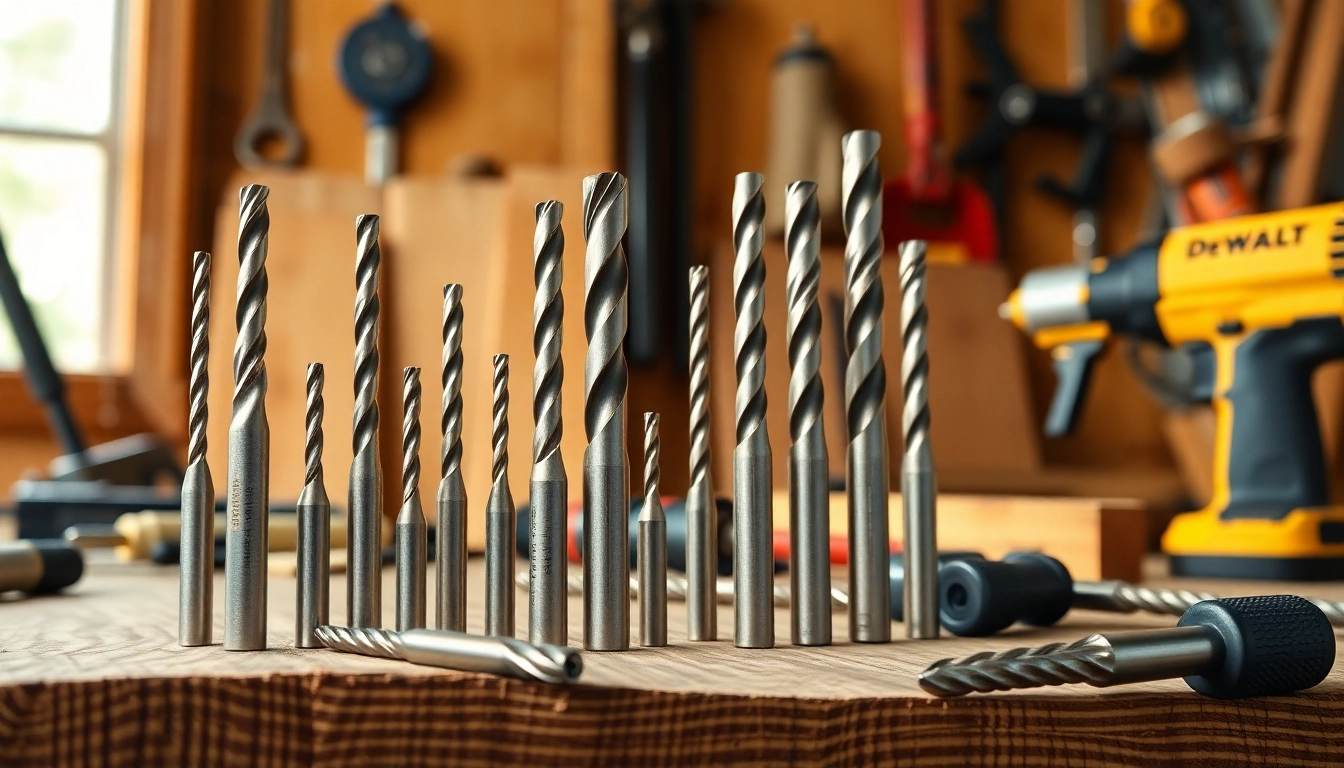
Understanding DeWalt Drill Bits
What are DeWalt Drill Bits?
DeWalt drill bits are high-performance tools designed for a variety of drilling tasks across multiple materials. Renowned for their durability and precision, these bits are essential for professionals and DIY enthusiasts alike. Each bit is engineered with specific features to optimize drilling efficiency, ensuring users can achieve clean, accurate holes without unnecessary wear. The DeWalt drill bits line includes innovative designs like split-point tips and high-speed steel construction, catering to both heavy-duty applications and lighter tasks. These features not only enhance the performance of the drill bits but also extend their lifespan significantly.
Types of DeWalt Drill Bits and Their Uses
DeWalt offers a diverse range of drill bits, tailored to cater to varied project needs. Here’s a breakdown of the most common types:
- Cobalt Drill Bits: Ideal for drilling through hard metals, cobalt drill bits feature a special alloy that increases heat resistance, making them perfect for tough jobs.
- Titanium Drill Bits: Coated with titanium, these bits provide better durability and reduce friction, suitable for various materials including wood and plastic.
- Brad Point Bits: Designed for woodworking, the brad point bits feature a sharp point for precise, clean holes without splintering.
- Masonry Drill Bits: These bits have a carbide tip, making them perfect for drilling into harder materials such as brick and concrete.
- Spade Bits: Excellent for making larger holes in wood, they are simpler in design and effective for quick drilling tasks.
- Step Bits: These are useful for drilling varying diameters without changing bits, often used in sheet metal work.
Feature Comparison: DeWalt Drill Bits vs Alternatives
When comparing DeWalt drill bits to alternatives, a few key features stand out:
- Durability: DeWalt drill bits are constructed from high-quality materials, ensuring they withstand demanding tasks better than many competitors.
- Precision: The unique tip designs of DeWalt drill bits allow for superior accuracy, reducing drill bit walking.
- Range: With an extensive selection available, DeWalt offers specialty bits that many other brands may lack.
- Warranty: DeWalt backs its products with competitive warranties, providing customers peace of mind on their purchases.
Choosing the Right DeWalt Drill Bits for Your Project
Key Factors to Consider When Selecting DeWalt Drill Bits
Choosing the right DeWalt drill bits involves understanding the material you’re working with, the type of work you’re performing, and your specific drilling requirements. Here are some critical factors to consider:
- Material Type: Identify whether you’re drilling into wood, metal, masonry, or plastic, as different bits are optimized for unique materials.
- Bit Size: Choose a size that fits the required hole diameter. Having a range of sizes can help tackle various projects effectively.
- Drilling Technique: Consider whether you need precision drilling or rapid hole creation. Bits suited for speed may sacrifice some accuracy.
- Bit Features: Look for specialized features like coating types, point designs, or flute shape that can enhance performance based on the task.
How to Choose DeWalt Drill Bits for Woodwork
For woodworking, DeWalt offers several tailored options. It’s advisable to select brad point bits for clean and precise holes, as they prevent splintering and provide a sharp start. Additionally, spade bits are excellent for bigger holes when speed is essential. Ensure you’re also considering bit length; longer bits may be necessary for thicker materials. Remember to use a drill at the correct speed based on the bit type to ensure efficiency and reduce heat buildup.
DeWalt Drill Bits for Metal: What You Need to Know
When drilling into metal, the choice of drill bit becomes critical. Cobalt drill bits are highly recommended for their durability against heat and resistance when drilling through harder metals. Titanium-coated bits also offer great benefits, as they reduce friction and enhance lifespan. For best results, ensure you’re using the appropriate cutting speed, with slower speeds often being effective to prevent overheating.
Best Practices for Using DeWalt Drill Bits
Safety Tips When Using DeWalt Drill Bits
Safety is paramount when using any power tools, especially when operating a drill. Here are some essential safety measures to consider:
- Wear Protective Gear: Always use safety goggles and work gloves to protect against debris and sharp edges.
- Secure Your Workpiece: Ensure your material is clamped securely to prevent movements that could lead to accidents.
- Check Equipment: Inspect your drill and bits regularly to ensure they are functioning correctly and free from damages.
- Use the Correct Bit: Always select a drill bit suited for the specific material to avoid accidents and enhance safety.
Proper Technique for Drilling with DeWalt Drill Bits
Employing the right technique is crucial for effective drilling. Here are steps to follow:
- Mark Your Spot: Use a pencil to indicate where you want to drill to ensure accuracy.
- Start Slowly: Begin drilling at a lower speed to prevent the bit from slipping.
- Keep Steady Pressure: Apply even pressure on the drill, but do not force it; let the bit do the work.
- Withdraw Periodically: If drilling deep holes, withdraw the bit occasionally to clear debris and reduce heat buildup.
Common Mistakes to Avoid with DeWalt Drill Bits
Avoiding common errors can lead to better outcomes when using DeWalt drill bits:
- Using the Wrong Bit: Selecting a drill bit not suitable for the material can lead to inefficient results and damage.
- Neglecting Speed Settings: Failing to adjust the drill speed according to the material can lead to poor performance and overheating.
- Ignoring Bit Care: Not maintaining bits can reduce their lifespan and efficiency, leading to additional costs.
- Failure to Secure Workpieces: Not clamping the material properly can result in accidents or imprecise drilling.
Maintaining Your DeWalt Drill Bits
Cleaning and Caring for DeWalt Drill Bits
Proper maintenance ensures that your DeWalt drill bits last longer and perform better. Regular cleaning is essential. After every use, clear off any debris using a soft brush or cloth. Avoid using harsh chemicals that can corrode the bits. For deeper cleaning, a mild soap solution can help, but be sure to dry them thoroughly to prevent rust.
How to Store DeWalt Drill Bits Properly
Storing DeWalt drill bits correctly is vital for maintaining their integrity. Always keep them in a dry, cool place to avoid moisture accumulation. Consider using a dedicated case or bit holder to prevent them from coming into contact with other tools, which can cause dulling or damage over time. Organizing bits by size or type can also help in selection for future projects.
When to Replace Your DeWalt Drill Bits
Despite their durability, all drill bits will eventually wear down. Signs that it may be time to replace your DeWalt drill bits include:
- Visible signs of wear or damage on the bit.
- A decrease in drilling performance, such as difficulty creating clean holes.
- Increased heat generation during use, indicating dullness.
Regularly inspect your bits to ensure you are using them at their best and maintain project quality.
Performance Tips and Metrics for DeWalt Drill Bits
Measuring Efficiency with DeWalt Drill Bits
Efficiency can be measured by examining how quickly and precisely your drill bits perform. Keep an eye on metrics such as drilling speed (RPM) and hole accuracy. Using the correct drill speed settings for the material, maintaining sharpness, and employing proper technique will enhance efficiency significantly. Record your output against time taken to help gauge how efficiently your bits are performing.
Enhancing Longevity of DeWalt Drill Bits
To extend the lifespan of your DeWalt drill bits, consider the following practices:
- Regularly clean and lubricate your drill bits to reduce wear.
- Store bits properly, keeping them organized and protected from physical damage.
- Use the right bit for the task at hand; avoid overstraining any single bit beyond its designed capacity.
Evaluating Performance Metrics: What Matters?
When evaluating the performance of your DeWalt drill bits, several key metrics come into play:
- Drilling Speed: Assess the RPM required for different materials; too fast can damage the bit or material.
- Hole Quality: Look for clean edges and accurate diameters as benchmarks for performance.
- Bit Wear: Monitor how quickly bits dull in relation to the amount of material drilled, adjusting usage or replacement strategies accordingly.
By focusing on these factors, you can maximize the effectiveness of your Mister Worker tools, ensuring successful project outcomes.