
Understanding Metal Roofing Toronto: Benefits and Features
When considering upgrades for your home, one of the most durable and efficient options is metal roofing. Residents of Toronto have taken a keen interest in this roofing solution for its myriad benefits. Beyond mere aesthetics, metal roofing toronto offers enduring advantages that cater to the climate and lifestyle in the region. In this article, we will delve into the notable features and benefits of metal roofing, exemplifying why it is becoming a preferred choice among homeowners.
Durability and Longevity of Metal Roofing
Metal roofing is renowned for its durability. The materials used are engineered to withstand extreme weather conditions, including heavy rain, snow, and intense heat. Unlike traditional asphalt shingles, which may require replacement every 15-20 years, metal roofs can last for 50 years or more with proper maintenance. This longevity is primarily due to the high resistance metal roofs have to various external factors. They are non-combustible, resistant to rot, and impervious to infestations such as termites, ensuring that your initial investment pays off in the long run.
Energy Efficiency Advantages
Another notable benefit of metal roofing is its energy efficiency. Many metal roofing systems are coated with reflective materials that minimize heat absorption. This characteristic allows homes to stay cooler during extreme summer heat, resulting in reduced heating and cooling costs. By reflecting the sun’s heat away, homeowners can maintain a stable indoor climate and potentially see a decrease in energy bills by as much as 25% in some cases. Additionally, many manufacturers offer warranties on their reflective coatings, enhancing energy efficiency over the lifespan of the roof.
Variety of Styles and Colors Available
Homeowners often envision metal roofs as purely functional; however, they now come in a plethora of styles and colors, allowing for aesthetic customization. Whether you prefer the rustic look of metal shingles or the sleek appearance of standing seam panels, there is an option to suit every design preference. The versatility in color choices further enables homeowners to complement their existing decor while increasing their property’s resale value. Furthermore, the finishes available make metal roofs suitable for various architectural styles, making them a popular choice across Toronto’s diverse neighborhoods.
Choosing the Right Metal Roofing Material
With various types of metal roofing materials available, it may be challenging for homeowners to make the right choice. Understanding the differences will help in selecting the most suitable option for your specific needs.
Steel vs. Aluminum: Which to Choose?
Steel and aluminum are the two most common materials for metal roofing, each offering unique benefits. Steel roofs are generally more affordable and provide superior strength. They are an excellent choice for homeowners looking for durability at a lower price point. However, steel is susceptible to rust and corrosion, necessitating proper coating to protect it from the elements. On the other hand, aluminum roofs are lightweight and highly resistant to corrosion, making them ideal for coastal areas where salt exposure is a concern. While aluminum is typically more expensive, its longevity and maintenance-free nature can justify the initial cost.
Coated Options for Enhanced Performance
When choosing metal roofing, it’s crucial to consider coated options for enhanced performance. Galvalume, for instance, is a popular steel roofing option coated with a mixture of aluminum and zinc, presenting a longer-lasting solution with excellent resistance to corrosion. Other coatings, such as Kynar, have become popular due to their durability and fade-resistant qualities. These coatings not only improve the longevity of the roofing material but also help maintain its aesthetic appeal over time, ensuring that your roof looks great for years to come.
Evaluating Cost vs. Value
While the upfront cost of metal roofing can be higher compared to traditional options like asphalt shingles, evaluating long-term value can be more beneficial. The lifespan of metal roofing significantly reduces the need for repairs or replacements, translating into savings over time. Furthermore, many homeowners enjoy a return on investment through increased property values, as homes with metal roofs can fetch a higher market price. Understanding these factors can assist homeowners in making an informed decision when investing in metal roofing systems.
The Installation Process Explained
Installing a metal roof requires a methodical approach to ensure durability and performance. Let’s explore the typical process involved in metal roofing installations.
Pre-Installation Assessments and Planning
Before installation begins, thorough assessments should be conducted. A professional roofing contractor will evaluate the current roof structure, checking for any damage or necessary repairs that need attention. They will also take measurements and potentially recommend additional insulation for improved energy performance. Proper planning is a key stage that lays the foundation for a successful installation.
Step-by-Step Installation Guide
- Preparing the Roof Deck: Remove the existing roofing material and ensure the roof deck is solid and clean.
- Installation of Underlayment: Apply an underlayment to protect against moisture infiltration.
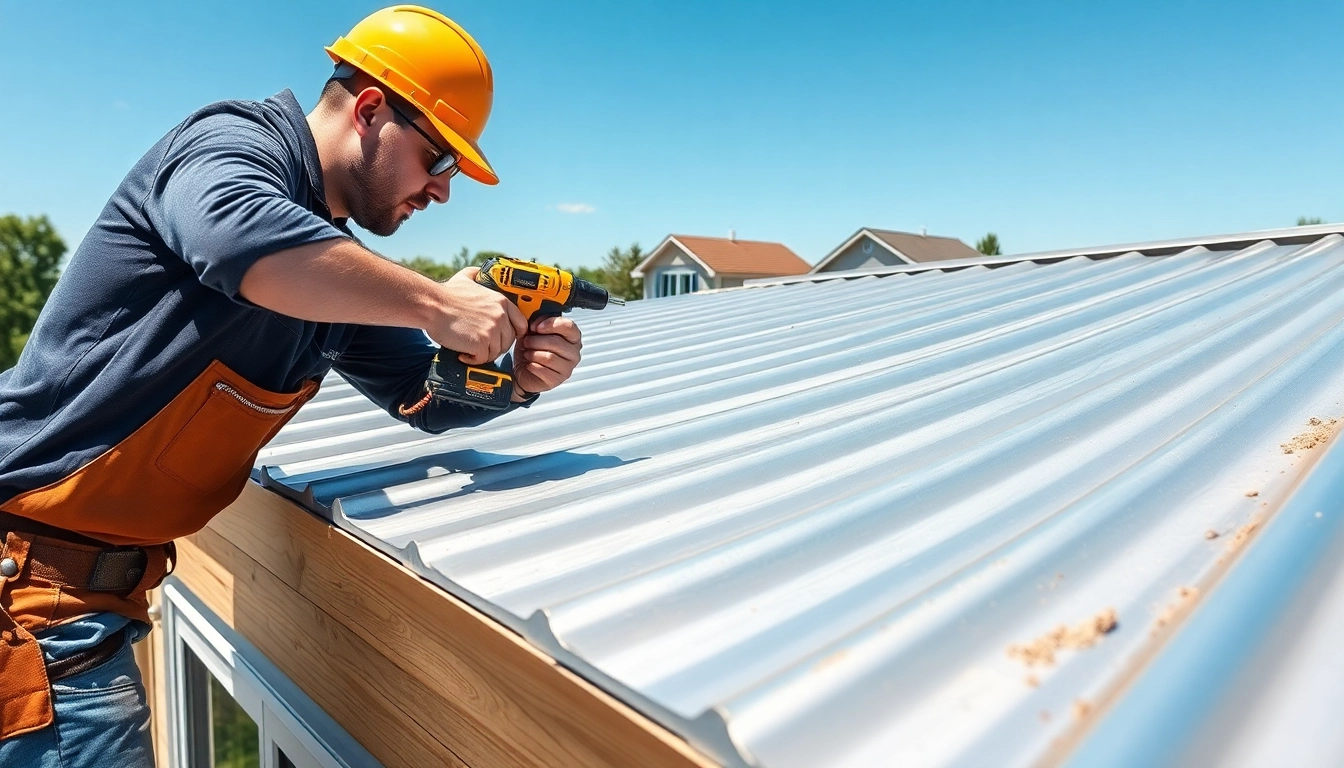
- Laying Metal Panels: Starting from the eaves, panels are laid in overlapping rows, secured with proper fasteners.
- Flashing Installation: Install flashing around chimneys, vents, and valleys to prevent leaks.
- Final Inspection: Conduct a thorough check to ensure everything is installed correctly and securely.
Post-Installation Inspection and Maintenance
Once the installation is complete, the roof should be inspected at regular intervals, particularly after severe weather events. Checking for any loose screws, seams, or potential debris should be part of routine maintenance. Regular upkeep helps prolong the roof’s lifespan and maintains its aesthetic qualities, ensuring peace of mind for homeowners.
Common Questions About Metal Roofing Toronto
What are the Costs Associated with Metal Roofing?
The average cost of metal roofing varies depending on material type, roof size, and installation complexity. Expect costs ranging from $7 to $12 per square foot, including materials and labor.
How Long Does Metal Roofing Last?
Metal roofing systems are designed to last 40-70 years, depending on the material and maintenance. Regular inspections will maximize lifespan.
Can Metal Roofing Be Installed Over Existing Roofs?
Yes, metal roofing can usually be installed over existing roofs, provided the structure is sound. This can save on removal costs.
Is Metal Roofing Noisy During Rain?
While metal roofing can be noisier than other types during heavy rain or hail, proper insulation and underlayment can significantly reduce sound levels.
Does Metal Roofing Require Special Maintenance?
Metal roofing requires minimal maintenance, including regular inspections, cleaning debris, and checking for any loose screws or protrusions.
Maintaining Your Metal Roof: Tips and Best Practices
Proper maintenance of your metal roof is essential for longevity and performance. Here are some tips to ensure your roof remains in excellent condition.
Regular Inspections and Cleaning
Routine inspections, ideally biannually and post-storm, help identify potential issues before they escalate. Cleaning should focus on removing leaves, branches, and other debris that can trap moisture and promote corrosion.
Identifying and Addressing Damage Early
Monitoring your roof for signs of wear or damage can help catch small problems before they require extensive repairs. Look for rust spots or loose panels and address them promptly to avoid further damage.
Professional Maintenance Services: When to Call
If you’re not comfortable performing inspections, consider hiring a professional roofing service. They can conduct thorough assessments and provide repairs for any identified issues, ensuring your roof’s integrity.